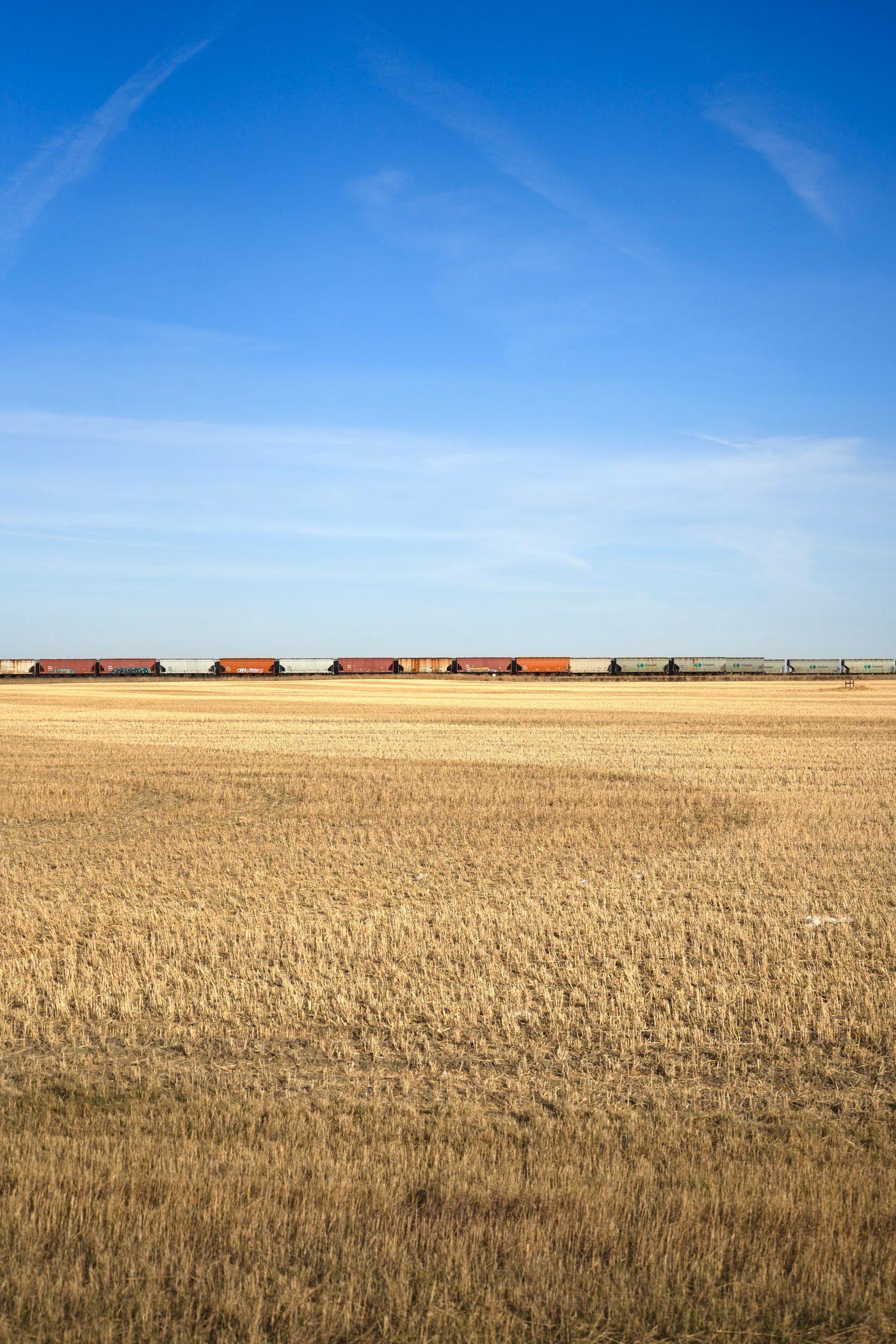
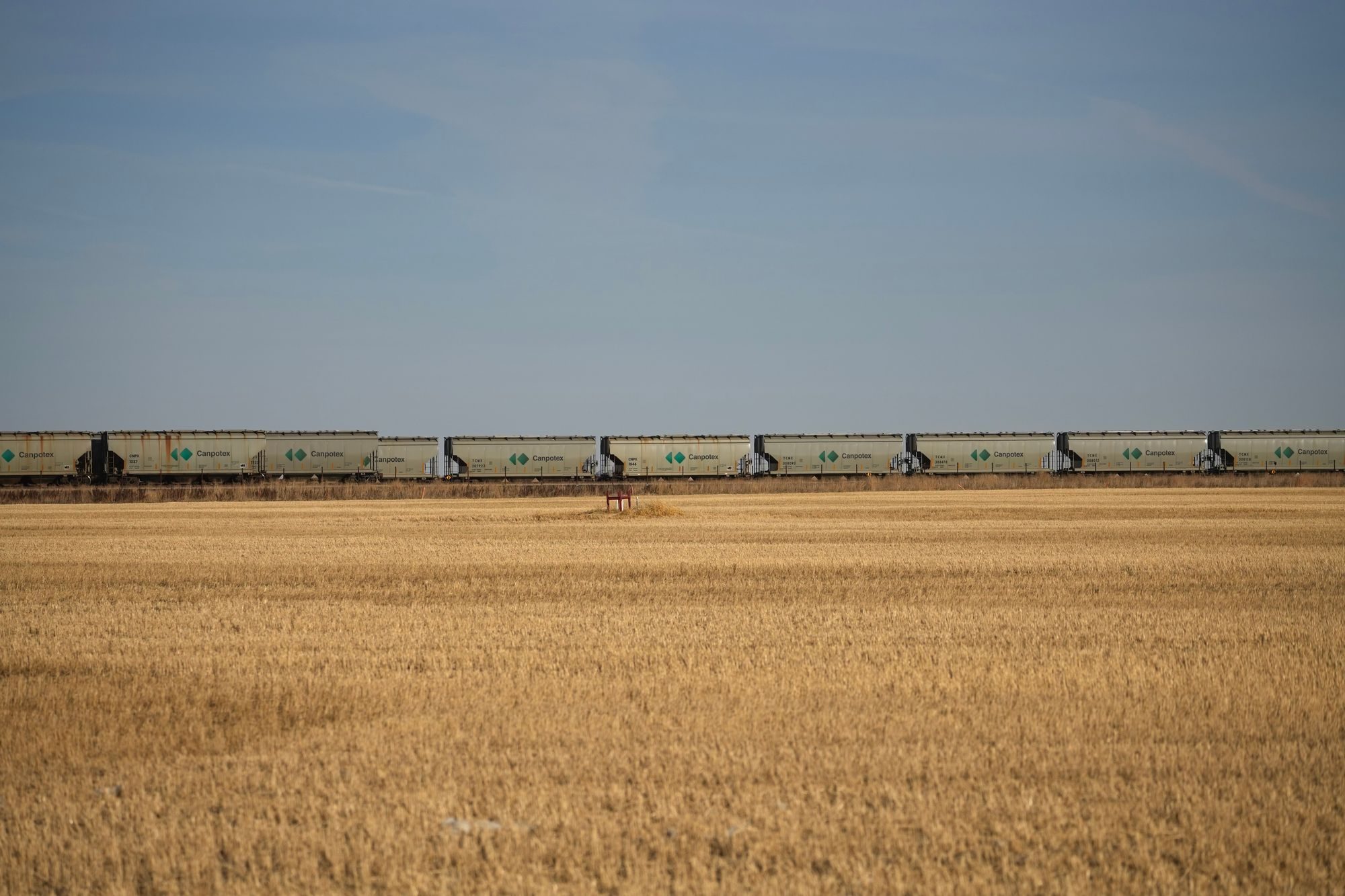
Route Solutions has added 120 model 19-7017 hopper cars with a 120 m³ body to its fleet. It's the largest model we operate: it carries 8% more grain than the usual 116 m³ at the same length over couplers.
The difference looks small, but across a 54-car train it adds 250–300 tonnes per block train shipment. For the exporter that is direct savings: the freight charge is per car, not per tonne.
What changed in the design
The key difference in the new batch is the reinforced discharge mechanism. On older models the bottom hatch levers jammed when iced over in winter, and unloading dragged on for extra hours. Here the mechanism has been redesigned and the seals are rated down to −45 °C.
- Body capacity — 120 m³ versus 116 m³ on the 19-758.
- Payload — 71 tonnes.
- Discharge hatches — 6, with a reinforced drive.
- Tare — 23.5 tonnes.
In winter we lost more on unloading than on any tariff. The new hatch drive closes exactly that gap.
Damir Akhmetov, Head of Dispatch
Where the new cars will go
The first groups are assigned to the China route via Dostyk — turnaround is fastest there, so the capacity gain shows sooner. As the rest of the batch is accepted, the cars will move to the Uzbekistan and Iran routes.
For the September–December peak, part of the new batch is reserved for long-term contracts. If you plan shipments in that period, submit your request 10–14 days ahead: free cars run out within days during harvest.
What this means for shippers
You can't order a “new car” separately — cars are supplied by schedule and technical condition. But for block train shipments of 54 cars or more, the dispatcher considers the model when forming the group, and you can ask for this when agreeing the request.